Life Skills to Teach Your Kids (That They Don’t Learn in School)
Practical, everyday skills every kid should learn – without adding more to your plate.

A few months ago, I read a Facebook post from a mom who said her son mailed her a letter from college… except he forgot the stamp and wrote the vaguest address you’ve ever seen. Honestly, it was a miracle it arrived.
And of course my immediate thought was, “Would my boys even know how to mail a letter?”
It’s one thing to learn about letter writing in elementary school. It’s completely different to put it into practice a decade later when you suddenly need it. School covers a lot – but there are everyday life skills our kids will use forever that don’t always get taught, or only get mentioned once and never revisited.
These are everyday life skills you can teach naturally through routines, errands, and real life – not formal lessons or lectures.
And before this list feels overwhelming (because yes, the list can feel endless), remember this: we’re not aiming for perfection. These are simple skills you can weave into real life… little moments that eventually add up.
This post may contain affiliate links, which means I may earn a small commission if you purchase through my links at no extra cost to you. I only share products I genuinely use or truly recommend.
If This Feels Like a Lot, Start Here
You don’t need to teach all of these at once. Start with one or two skills that naturally fit your child’s age and your current routines. These skills stick best when they’re practiced casually, not taught all at once.
Everyday Skills Kids Don’t Learn in School But Use for the Rest of Their Lives
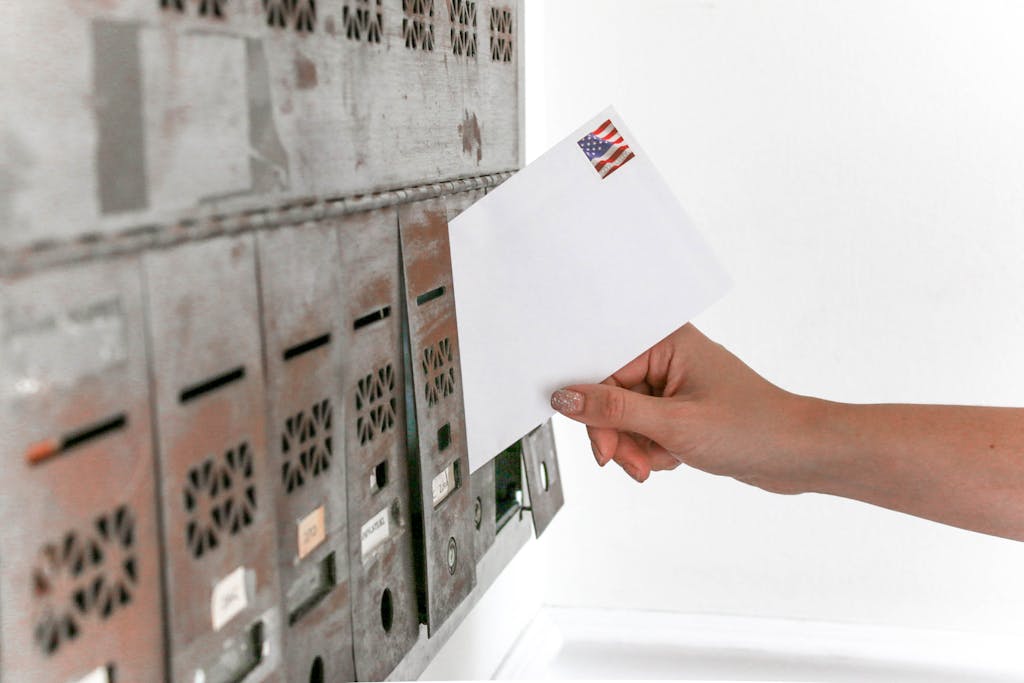
1. How to Address and Mail a Letter
Writing and mailing a letter is such an easy, low-pressure life lesson.
Have your kids write to a grandparent or a cousin – something simple. Show them:
- how to structure a friendly letter
- where the recipient’s name and address go
- where the return name and address go
- where the stamp goes (ahem… college boy)
Take them into the post office to buy a stamp and drop it in the mailbox. When you’re traveling, pick up a postcard and mail it home. Kids love seeing it arrive.
2. How to Use Cash, a Debit Card & Basic Money Confidence
We’ve always been pretty open with our kids about money. Not exact numbers, but enough that they understand budgets, expenses, and that “no, we’re not getting takeout tonight” has nothing to do with love.
Talking about money in a calm, normal way gives kids confidence, not fear.
Some simple ways to teach it:
- Let them pay at the convenience store with cash.
- Have them check that they received the correct change.
- Show them how to tap-to-pay since that’s becoming the default.
- Let them make an online purchase with supervision.
- Explain the difference between debit (your money) and credit (borrowed money you pay back).
My 15-year old uses a Greenlight card, and it’s been great for giving him real responsibility while still being able to peek at what he’s doing. Outschool also has kid-focused money classes if you want someone else to reinforce the lessons.
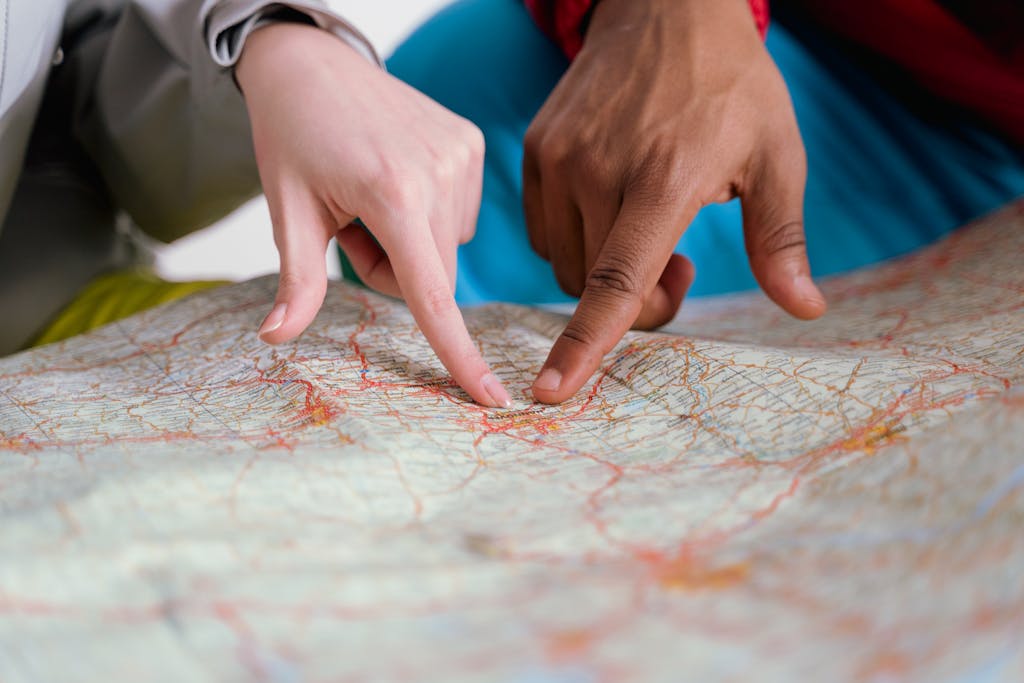
3. How to Read a Map & Navigate Without Panicking
Did you know gas stations barely sell paper maps anymore? We found this out recently while prepping for a road trip. It made me realize our kids might reach adulthood without ever holding a map.
And relying on GPS is great… until it isn’t. What if your phone dies or loses signal?
Teach them:
- how to find their location on a map
- how highways, exits, and major landmarks work
- how to look ahead on the map instead of zooming in so close they lose the big picture
- how to stay calm when they’re not sure where they are
If we’re in a new area, we’ll ask the boys to guide us back home. No pressure, no test – just practice. It helps them learn to pay attention to their surroundings.
4. Critical Thinking in Everyday Moments
If you take nothing else from this post, take this: kids need critical thinking. Not the formal “logic” lessons from school – actual day-to-day discernment.
When they make a statement, ask follow-up questions like:
- “What makes you think that?”
- “Where did you hear that?”
- “Could there be another explanation?”
- “If someone disagreed, what would their side be?”
I’m not grilling my kids, just helping them slow down long enough to think for themselves. This especially matters with social media, where everything is designed to get a reaction. Teens often assume the first headline or TikTok they see is The Truth. Helping them question things now builds confidence later.
Helpful tools:
- The Fallacy Detective book – a fun intro to logic for kids/teens
- Filter It Through A Brain Cell podcast – a great companion for The Fallacy Detective (Kathy uses memes to teach critical thinking!)
- Brains On! podcast – perfect for learning to ask good questions
- Smarter Every Day YouTube channel – curiosity in action
5. How to Politely Talk to Adults (and Ask for Help)
Talking to adults can feel intimidating, even for teenagers. But they need practice.
Little things help:
- having them order their own food
- asking them to pay at the register
- letting them ask an employee where something is
My oldest was so nervous about ordering at restaurants… until one day he just did it. No big therapy session required, just consistent exposure.
6. How to Clean a Room (the Realistic Way)
I cannot tell you how many times my kids have yelled, “Mom, I’m done!” only for me to walk upstairs and find wrappers in a corner and socks under the bed.
What finally worked: a checklist. Very detailed, step-by-step, not up for interpretation. This taught them how to clean a room well. It may feel over the top, but it’s the only system that’s ever stuck.
Want to take a look at the exact cleaning checklist we use in our house for the kids’ rooms?
Download the bundle with my cleaning checklist and the Family Conversation Prompts.
7. Basic Safety & What To Do When Plans Change
Kids don’t need a full safety seminar. They need scripts. When something goes wrong, kids freeze because they don’t know the next step.
A few basics we practice:
- If your ride falls through → call us and stay put
- If you get separated in a store → find a worker, not a random adult
- Who counts as a “safe adult”
- How to share your phone location (Our family uses and highly recommends Life360.)
- What to do if someone makes you uncomfortable (walk away, call home, no explanation required)
And I always tell them: You will never be in trouble for calling me when plans change. Ever.
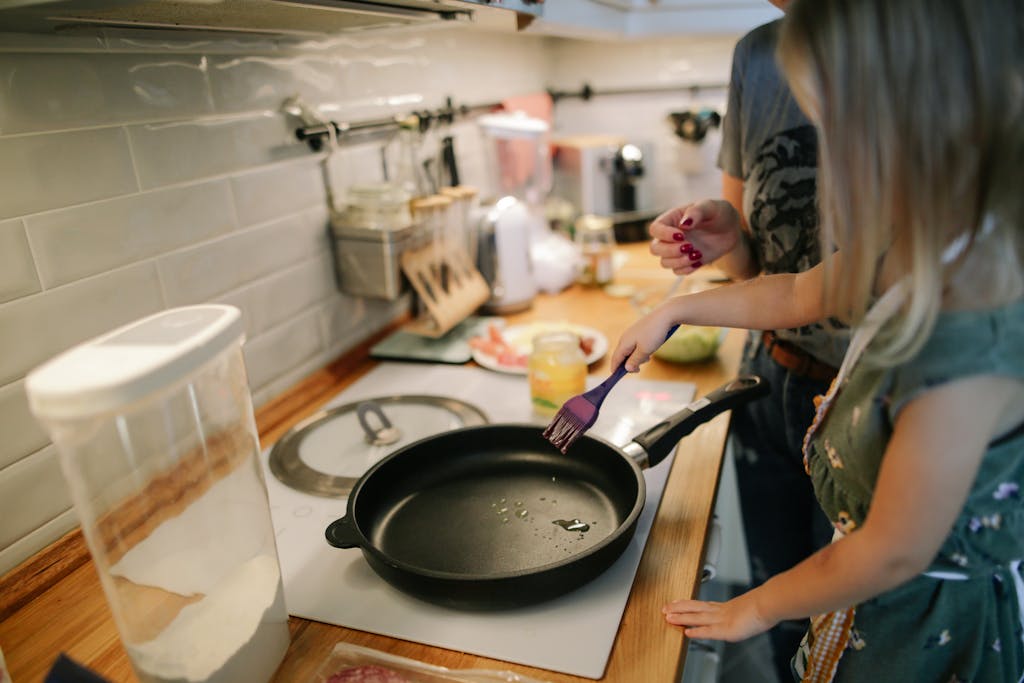
8. How to Make a Simple Meal or Snack
One of my sons makes an incredible egg sandwich, and that was the first thing he learned to cook. Kids don’t need to start with Pinterest-worthy meals. Just basic competence.
A few starter ideas:
- eggs
- quesadillas
- microwave meals (properly, and with no metal, please)
- ramen
- frozen pizza or pizza rolls
Have them help with dinner once a week. It’s chaotic, but worth it. Bonus points if they help plan and shop for the meal.
9. How to Be a Good Guest & Respect Shared Spaces
This is one of those skills kids don’t magically absorb.
We talk about:
- shoes off furniture
- cleaning up your own mess
- using good manners at someone else’s table
- being mindful about portion sizes (especially with growing boys!)
- offering help if appropriate
And yes, teach them how to be a good host too. My 10-year-old is an excellent host… even if he forgets to ask us before inviting people to dinner.
10. How to Start a Conversation
We put a huge emphasis on actual conversation at dinner, which, with a teenager, sometimes feels like pulling teeth. So we keep a jar of interesting conversation prompts on the table.
Each night, we pull a prompt or two. It breaks the ice and gets everyone talking. Recently we had a heated debate over what superpower we’d choose. (There were strong opinions.) The key is to ask open-ended questions and model healthy communication.
How to Teach These Skills Without Making It a Big Thing
The best part? You don’t need a curriculum. You don’t even need a plan.
Teaching these skills works best when it’s woven into real life.
Try:
- One skill a week. Keep it simple.
- Narrate what you’re doing. “I’m checking the receipt to make sure the price is right.”
- Let them try first (even if it takes longer… and it will take longer).
- Teach during errands – grocery store, gas station, post office.
- Model more than you lecture. Kids tune out speeches, but they’re always watching you in the wild.
The goal isn’t raising perfect kids. It’s raising capable ones.
Why These Life Skills Matter Long-Term
Teaching kids basic life skills isn’t about raising mini-adults or expecting perfection. It’s about setting them up to navigate the real world with confidence – knowing how to handle small responsibilities, solve problems, communicate clearly, and adapt when things don’t go as planned.
These skills matter long after childhood. They help kids feel capable as teenagers, prepared as young adults, and confident making everyday decisions on their own. And as a bonus, when kids slowly take on more responsibility, daily routines at home tend to run more smoothly too – not because everything is perfect, but because everyone feels more capable.
Bringing It All Together
Life skills aren’t something you teach once. They’re something you revisit a hundred times, in a hundred small moments. That’s the beauty of it. Kids learn best when they’re allowed to practice, mess up, and try again in a safe place.
And even if your kids can’t address a letter yet or still forget to pick up socks hiding under the bed… there’s plenty of time. Have patience… and grace. For both your kiddo and yourself.
You’re already doing the most important part: showing up, teaching as you go, and giving them a home where learning feels normal. We’re all just trying to raise capable, confident kids – and sometimes the simplest skills make the biggest difference.
If you’d like tools to help your kids practice these skills in real life, don’t forget to grab the free printable bundle below.
And because you’ll want to come back to this later, here’s a Pin for you to save.